
You want change you can feel, not just understand.
You've gained insight into your patterns, but insight alone hasn't created the change you long for. We don't stop at insight. We explore the emotions, protective responses, and deeper experiences that shape how you move through relationships, work, and life.
Insurance accepted with select plans

A Path From Understanding Yourself to Changing How You Live
-

See the Pattern
Bring awareness to the patterns, protective strategies, and emotional responses that shape your choices, relationships, and work often outside your conscious awareness.
-

Feel and Transform the Pattern
Move beyond insight alone by working with emotions, sensations, and the embodied responses that continue to shape your experience.
-

Embody a New Way of Being
Integrate what you've discovered about yourself so you can live with greater self-trust, wholeness, and connection to your deeper self.
Does this sound familiar?
You don't have to relate to all of them. But if several feel familiar, our work together may be a good fit.
-
You want to explore your inner world with honesty not just analyze your experiences, but develop a deeper relationship with yourself.
-
You’re navigating questions of identity, belonging, and authenticity and you're ready to reconnect with the parts of yourself that may have been overlooked or suppressed.
-
You notice things others may miss, feel deeply, and may have often felt different or out of step with expectations. You want to feel grounded in who you are rather than see your sensitivity as something to overcome.
-
You've reflected, explored your patterns, and perhaps even done therapy yet understanding yourself hasn't fully translated into feeling different. You want to explore the deeper emotions, protective patterns, and experiences shaping your life.
-
You've journaled, meditated, read the books, and developed awareness yet certain situations still bring up reactions that feel bigger than the present moment. You want to understand and transform what happens beneath the surface.
-
You long to move through relationships, work, and life with more choice, congruence, and self-trust instead of being pulled into familiar patterns.
The changes that can emerge through deeper work
Therapy is a process. It involves reflection, curiosity, emotional honesty, and a willingness to explore parts of yourself that may feel unfamiliar. As the work unfolds, many people begin to notice shifts such as:
recognizing the patterns that shape their reactions in relationships, stress, and moments of self-doubt
feeling more grounded in their bodies and less controlled by automatic responses
noticing relational patterns in real time and experimenting with new ways of responding
developing compassion for themselves and the parts of them that learned to protect them
experiencing connection without losing themselves
building trust in their instincts, inner experience, and capacity to navigate life
About Triseugeny Kononelos,
LMHC, LPC
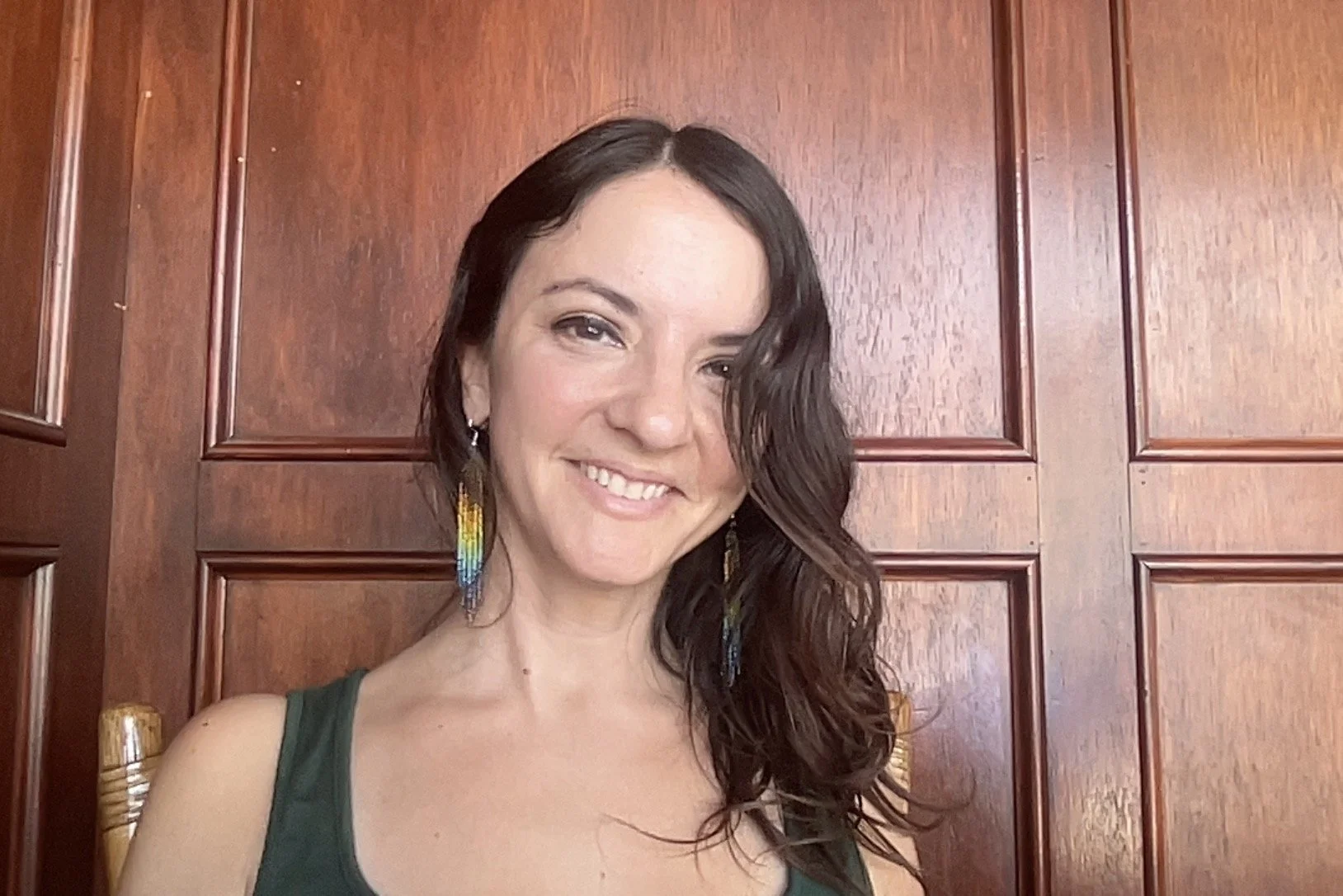
I’m a licensed mental health counselor providing psychotherapy for adults in Hawaiʻi and Illinois.
Before entering clinical work, I spent two decades in corporate settings while quietly pursuing what held my attention: Jungian depth psychology, somatic practice, and the question of how people change, heal, and make meaning from the experiences that shape them. A two-year Jungian training program and several years of Iyengar yoga deepened my understanding of the relationship between body, awareness, and the inner world.
Growing up as a first-generation Greek American and navigating cultural identity, family expectations, and belonging between different worlds shaped the way I understand this work.
When I'm not with clients, you can usually find me surfing, dancing tango, writing a novel, or wandering through nature.

Depth-oriented and somatic therapy within a licensed clinical framework.
Licensed Mental Health Counselor (LMHC) in Hawai’i
Insurance accepted with select plans
Online sessions available throughout Hawaiʻi
FAQ
Questions people ask
-
Yes. I currently accept HMSA PPO, HMSA Quest, and HMAA insurance and am in the process of adding additional plans in Hawaiʻi. If you have questions about your specific coverage, feel free to reach out.
Some clients also choose private pay for additional flexibility and privacy.
-
The first step is reaching out through the contact page to schedule a brief consultation.
We’ll talk about what’s bringing you in, answer any questions you have, and determine whether this approach feels like a good fit.
If it does, we’ll schedule your first session and begin from there.
-
Sessions are conversational, but they’re not just talking.
We slow down and pay attention to what’s happening emotionally, relationally, and in your body. Together we explore patterns, reactions, and experiences as they unfold in real time.
At times we may also look more deeply at recurring themes in your life, relationships, and inner world, including patterns that may operate outside of conscious awareness.
Often the patterns that bring people to therapy are intelligent adaptations that once helped them survive but no longer serve them.
My role is to be present, curious, and honest, helping you notice and work with the deeper patterns shaping your life so change can happen not just intellectually, but experientially.
-
I typically work with clients weekly or every other week for at least the first few months.
Deep patterns often develop over many years, and meaningful change usually requires time, consistency, and a safe therapeutic relationship.
Many clients begin with a more regular schedule and later transition to monthly or occasional sessions once they feel more stable and integrated.
-
Yes. I offer secure online counseling for adults located anywhere in Hawaiʻi. Online sessions provide flexibility while maintaining the same relational, trauma-informed, and somatic approach.
Telehealth sessions are conducted through video, allowing us to maintain the visual connection and relational aspects that are an important part of this work. I do not offer phone-only therapy.
-
As a licensed therapist, my work is held within professional, ethical, and legal standards established by the states of Hawaiʻi and Illinois.
Becoming licensed requires graduate-level education, supervised clinical training, licensing exams, and ongoing continuing education. Licensed therapists are also accountable to a professional licensing board and follow standards related to confidentiality, ethics, and responsible care.
Therapy and coaching can both support personal growth, but they serve different purposes. Coaching often focuses on goals, performance, decision-making, or life direction. Therapy is designed to support emotional healing, explore psychological patterns, and address concerns such as anxiety, trauma, depression, and complex relational experiences.
Because therapy can involve deeper emotional work, licensed clinicians are trained to recognize and respond to psychological distress, trauma responses, and relational dynamics within a clinically supported setting.
My work integrates somatic awareness and depth-oriented exploration to help clients understand patterns, process experiences, and create meaningful change. Therapy is not one-size-fits-all — sometimes people have not benefited from previous therapy because the approach, pacing, or therapeutic relationship was not the right fit. Finding the right clinician and style of work is an important part of the process.
